
‘Tis The Season for Holiday Scams: What You Need to Know
Between rushing to buy gifts, making travel arrangements, and finding time to celebrate with family, the holidays can get busy. With these extra distractions, it’s easy to let your guard down when it comes to safeguarding your personal and financial information.
Scammers know this, and they’re ready to take advantage using schemes related to package deliveries, charitable giving, bank impersonations and more. Without proper awareness, these schemes can quickly put your finances or personal information at risk.
By understanding common holiday scams, knowing how to protect yourself online, and recognizing what to do if fraud occurs, you can take steps to keep your personal information and finances safe this season.
Where Urgency Meets Holiday Stress
A sale ends in five minutes. Your package has been delayed. Your bank account has been flagged for suspicious activity.
What do all these messages have in common? They all pressure you to act before you have time to think.
Scammers know that when the holiday season gets hectic, it can be easy to overlook warning signs. And those who think it could never happen to them may be especially vulnerable this time of year.
Sarah Ninas, Assistant Vice President of Financial Crimes at Merchants Bank, says recognizing that anyone can fall victim to a scam is an important step in protecting yourself.
“Scammers are constantly finding new ways to make their messages appear legitimate,” explains Sarah. “Even the smartest, most capable person can be manipulated, and realizing that it could happen to anyone will make you more aware of these disguised threats.”
Watch Out for These Holiday Scams
Scammers will use a variety of tactics during the holidays. Being aware of these schemes and how they work can help you recognize warning signs before your personal information and finances are at risk.
Package Scams
With an abundance of gifts ordered and holidays approaching fast, it is easy to panic when you get an urgent message saying there is something wrong with your delivery.
You may receive a text or email claiming there’s a problem with your delivery and asking you to click a link. Never click on these links as it could be someone impersonating a mail carrier or delivery service.
Instead of taking the suggested action, log into your account on their official website to check the status of your package or use the tracking number that was provided in your delivery confirmation.
Charity Scams
This season of giving, make sure your generosity is not taken advantage of.
Scammers will often pose as charity organizations asking for donations. Be cautious of unexpected requests, especially those asking for payment through wire transfers, gift cards and cryptocurrency.
If you do want to give to your favorite charity, do your research to ensure you are giving to a legitimate organization.
Impersonation Scams
As we’ve seen, scammers are experts at creating a sense of urgency. They are also experts at impersonating businesses, people, and banks you trust.
If you receive a suspicious message asking for personal information, call the organization using a phone number from its official website to confirm the request.
Remember that the bank will never ask you to share your password or access codes over the phone.
Stay up to date on common scams and recent fraud alerts.
Protecting Yourself Online
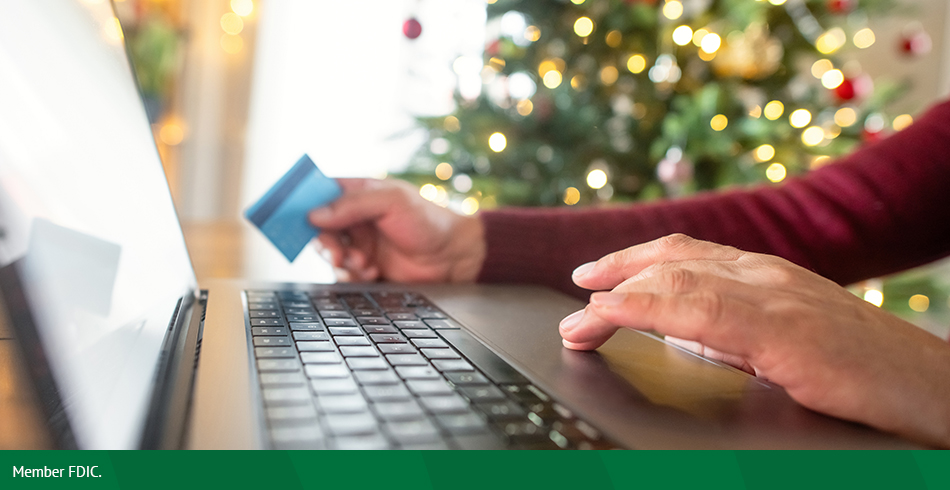
As you start shopping for the best deals, be weary of offers that seem too good to pass up.
This time of year, cybercriminals will produce attractive deals that appear legitimate and are only available for a limited time. Always remember – if the deal is too good to be true, it probably is.
Also, just because the deal is coming from a paid advertisement within your social media feed does not mean it is a legitimate offer. Scammers can pay for ads too. If you find a deal that interests you, visit their official website to confirm its legitimacy.
If you find yourself shopping on unfamiliar sites, Marcus Krings, Director of Card Services at Merchants Bank, suggests using resources like the Better Business Bureau or Trustpilot to determine if it is a legitimate site.
How you pay matters too. When you’re ready to check out, consider using a digital wallet when available.
“Digital wallets add another layer of security by using a unique payment number instead of sharing your actual card number with the site,” explains Marcus. “This helps protect your card information when making purchases.”
No matter where you’re shopping, take a moment to verify the website and consider the safest way to pay before entering your information.
What To Do If You Detect Fraud
Even the most careful person can fall victim to a scam.
Marcus suggests reviewing your account and debit/credit card transactions weekly, especially during the holidays, to ensure there is no suspicious activity.
If you do notice something odd, the first thing you should do is contact your bank using a known, trusted number. Your banker can help you secure your account and walk you through next steps to secure your account information and prevent future fraud.
You can also talk to your banker about what mobile tools are available to help fight financial fraud.
Don’t Let Scammers Steal Your Holiday Spirit
At Merchants Bank, the safety of you and your financial information is our top priority. It’s our job to help you stay educated on scam and fraud trends through every season. Learn more about how Merchants Bank protects you from fraud.
Additional Resources
- Online Security & Alerts for Individuals and Families
- Online Security & Alerts for Businesses and Other Organizations
- Manage Your Debit Card in Online & Mobile Banking


